
5 Best AI Music Generators to Try in 2026
This guide covers five AI music generators worth trying in 2026, from full-song platforms to soundtrack-focused composition tools. For each one, you can quickly see what it is good at, how to use it, and where it fits inside a creator or music workflow.
1. DeepSong
Intro
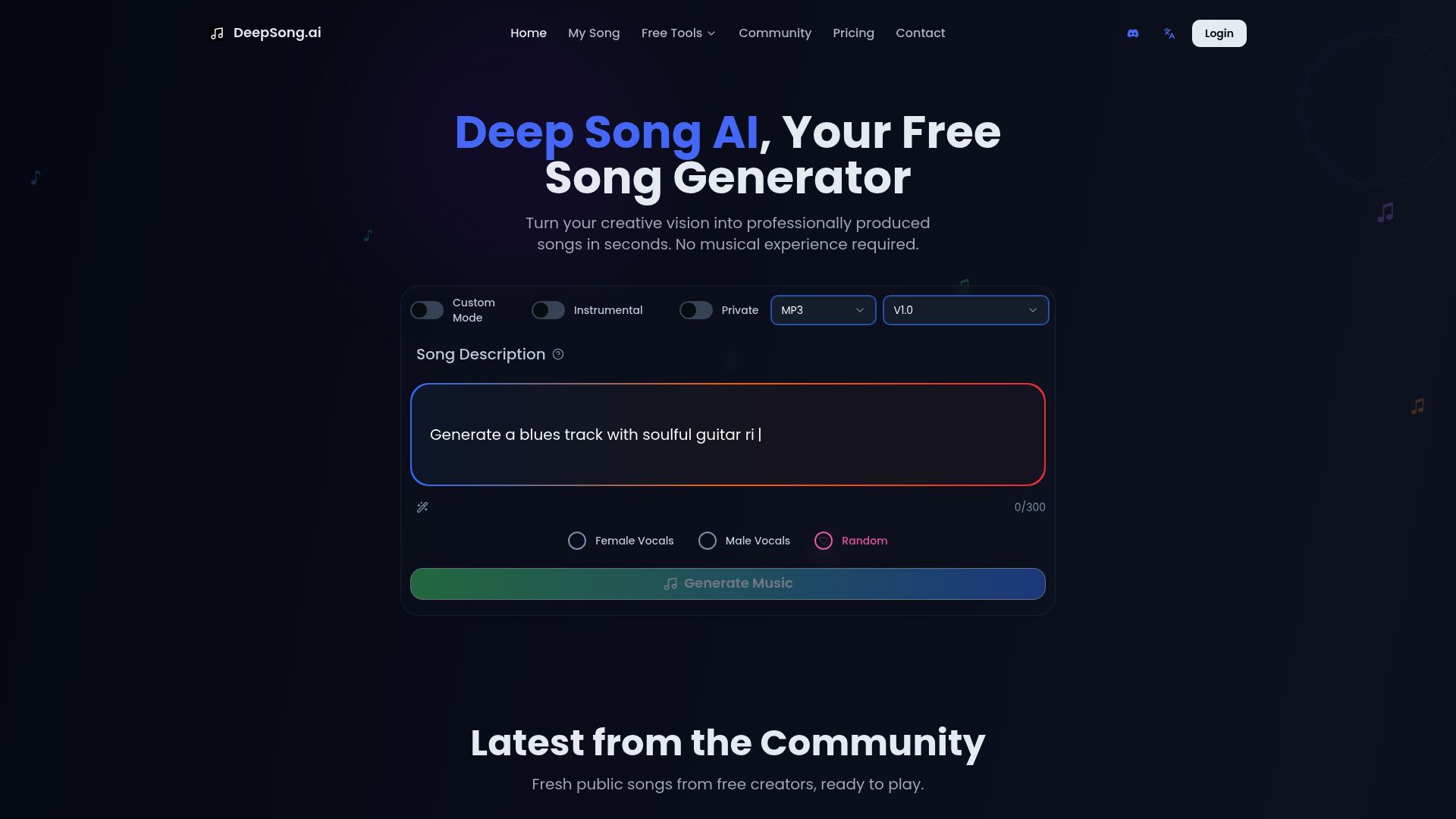
DeepSong is an AI music generator aimed at creators who want fast song creation with a simple workflow and modern music output.
How To Use
Start with a theme, lyric idea, or short prompt, generate a song draft, then keep iterating until the vocal tone, structure, and overall vibe match what you want.
Features
It is a good fit for creators who want a low-friction way to move from idea to finished song.
The workflow feels straightforward, which helps when you want to test multiple directions quickly.
It works well for demos, social content music, fast concept songs, and lightweight creator projects.
That simplicity makes it attractive when speed matters more than deep production controls.
2. Suno
Intro
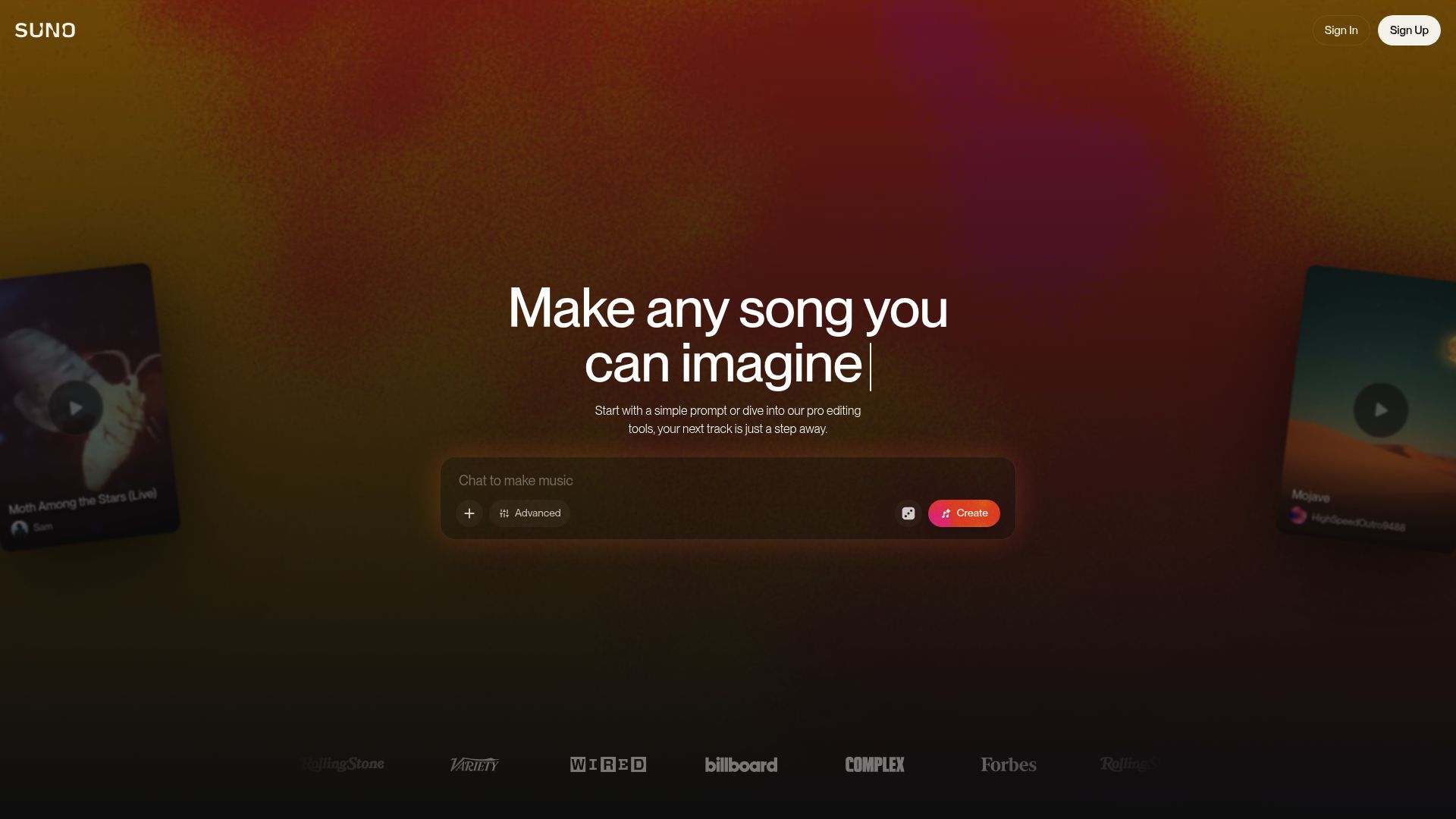
Suno is still one of the most recognizable AI music generators for full songs, vocals, lyrics, and genre-based experimentation.
How To Use
Write a prompt that describes style, mood, and lyrical direction, generate multiple versions, then keep extending or refining the one that gets closest to your target track.
Features
It is strong for full-song generation rather than just short loops or background cues.
The platform is useful for creators who want catchy results fast without getting lost in a complicated setup.
It supports quick genre experimentation, lyric-driven songs, and shareable music concepts.
That makes it one of the easiest tools to recommend to users who want complete songs with minimal friction.
3. Udio
Intro
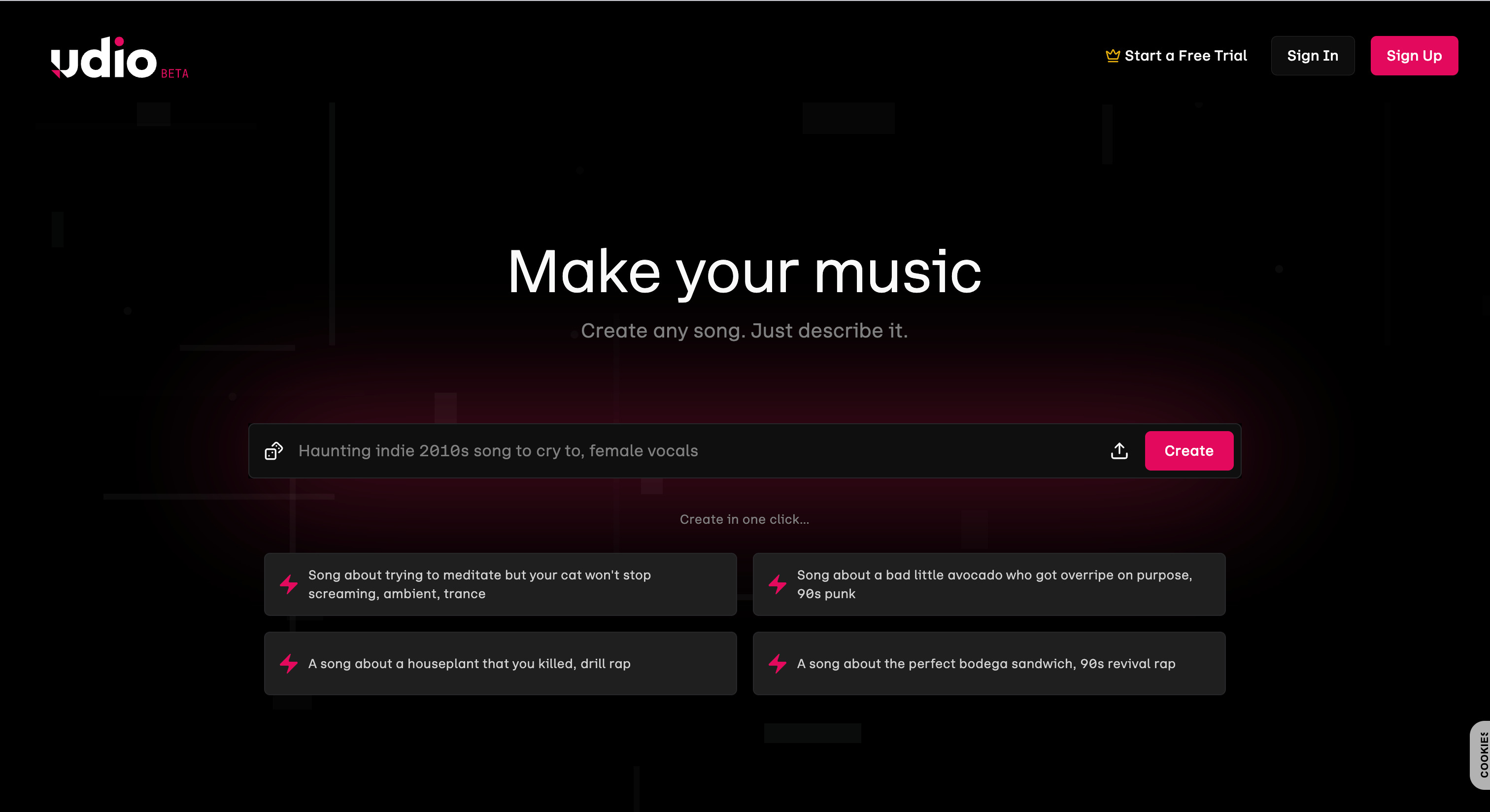
Udio is a leading AI music generator for creators who want polished songs, stronger editing flow, and more control over musical direction.
How To Use
Begin with a prompt or lyric concept, generate a first version, then expand, remix, or revise until the arrangement and tone land where you need them.
Features
It stands out for producing highly listenable results with a strong sense of musical polish.
The platform is useful when you want to keep iterating on a track instead of settling for the first lucky output.
It works especially well for full songs, mood exploration, and creator-friendly production workflows.
For many users, it feels like one of the strongest alternatives to Suno in the current AI music space.
4. AIVA
Intro
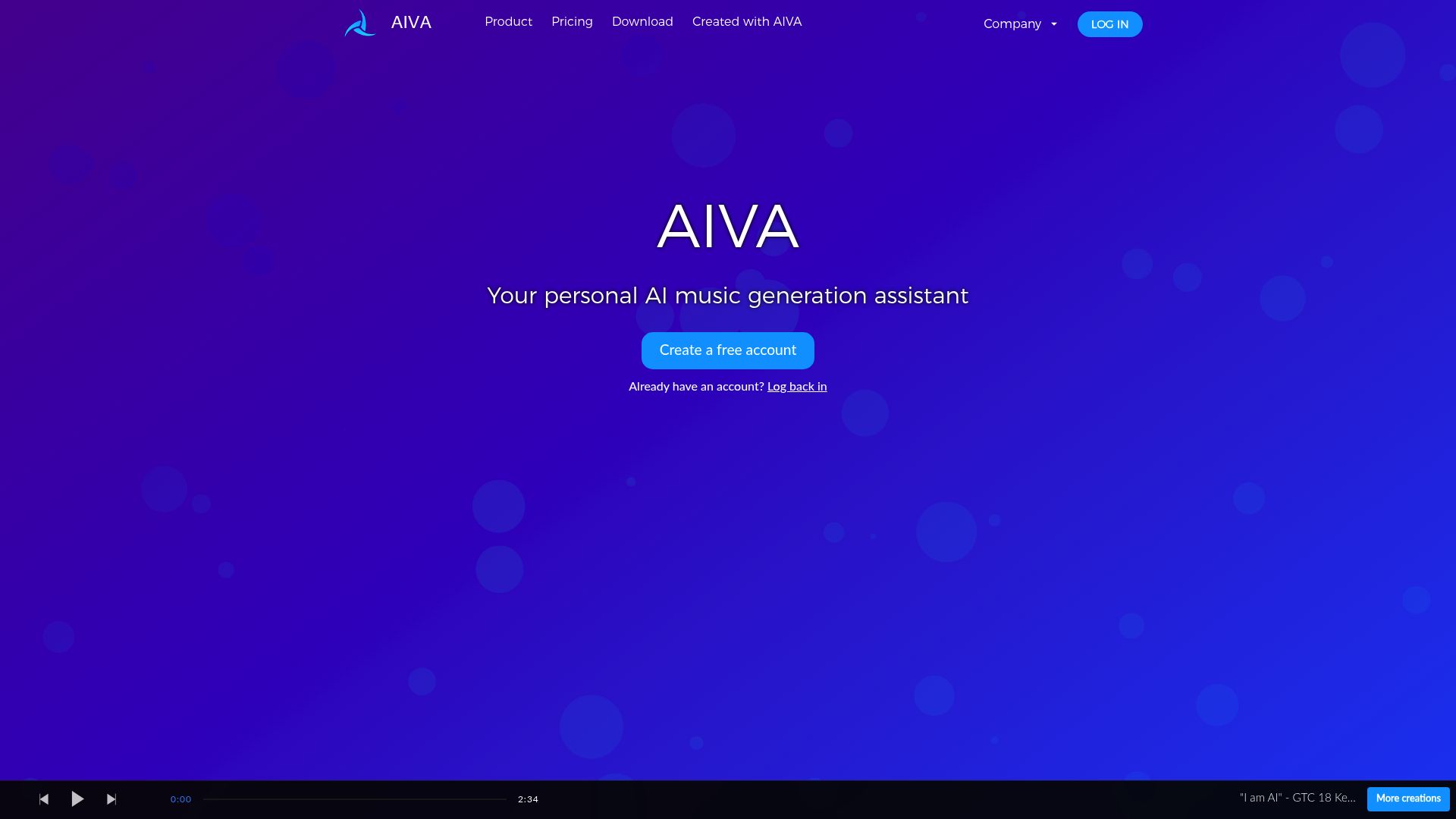
AIVA is a well-known AI composition tool that is especially useful for instrumentals, cinematic music, and soundtrack-style creation.
How To Use
Choose the kind of composition you want, generate an initial piece, then keep adjusting style and structure until it fits your video, game, or background-music need.
Features
It is especially practical for creators who need instrumental music instead of AI vocal songs.
That makes it a strong fit for filmmakers, game creators, presentation decks, and background scoring.
Its positioning is more composition-focused, which helps separate it from the song-first tools on this list.
If your work needs soundtrack energy more than pop-song generation, AIVA is one of the best picks here.
5. Mureka

Intro
Mureka is an AI music generator built for fast song creation, vocal output, and creator-friendly music experimentation.
How To Use
Describe the song idea you want, generate an early version, and keep refining the output until the vocals, energy, and structure feel publishable.
Features
It is useful for users who want AI song generation with an accessible interface and modern output style.
The platform is a good match for testing multiple ideas quickly without a traditional production workflow.
It works well for creator music, demos, and fast concept songs that need vocals and structure.
That makes it a relevant choice in 2026 for users who want song-first AI music tools beyond the biggest names.